

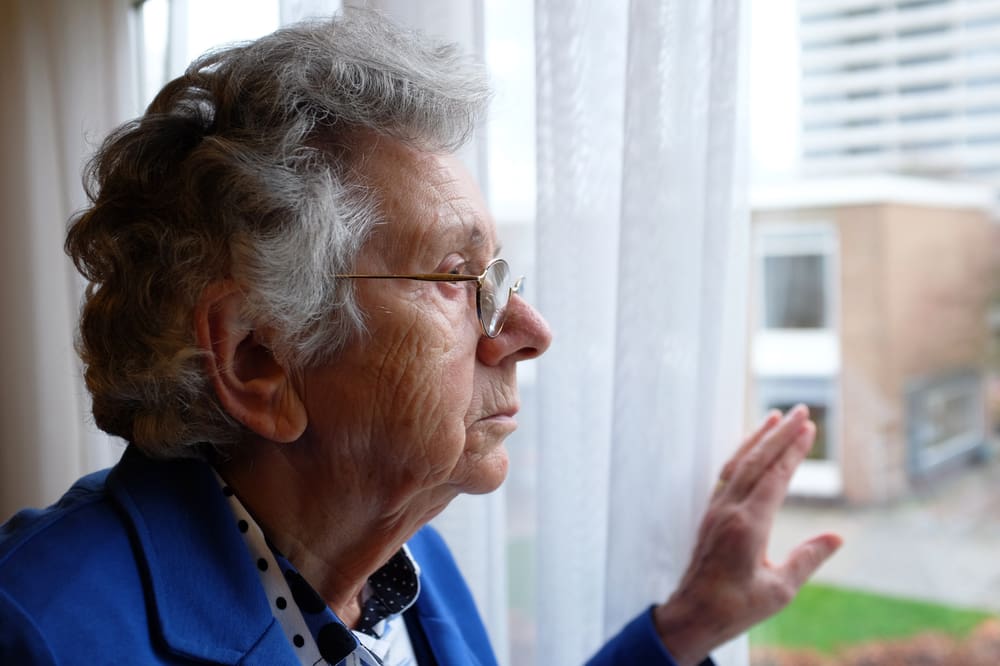
Loneliness and care homes
As a society, we have grown to understand more in recent years about the loneliness older people so often face, and we’re coming to realise how detrimental this feeling can be to their health and wellbeing.
As a society, we have grown to understand more in recent years about the loneliness older people so often face, and we’re coming to realise how detrimental this feeling can be to their health and wellbeing.
We all want to feel that we will be remembered and supported in our later years. However, research shows that there’s some way to go before this is achieved for the older people already in the care system.
How many older people are affected by loneliness?
- Over 1m older people report feeling lonely all the time, or often
- 49% of over 65s cite television or pets as their main source of company
- 49% of over 75s live alone
- 12% of older people state they never spend time with family
- 46% of over 65s confirmed they spent time with their family on most or all days, compared to 65 – 76% for other age groups
- 9% of older people feel trapped in their own home
- 600,000 leave the house once per week or less
- 41% of older people feel out of touch with the pace of modern life
*Statistics provided by Age UK
What effect does loneliness have on older people?
Numerous studies have shown a correlation between loneliness and deteriorating health. Social isolation is estimated to be a comparable early death risk factor to smoking 15 cigarettes each day, making it worse than more broadly publicised factors such as obesity and lack of exercise (Campaign to End Loneliness). A ‘high-degree’ of loneliness has also been found to double the risk of a person developing Alzheimer’s disease (Age UK).
What is the relationship between care homes and loneliness?
Most studies to-date have focused on the relationship between loneliness and the residential care system.
Rates of ‘severe loneliness’ reported by people living in a care home (22–42%) are more than twice that of residents in the wider community (10%), according to Christina R Victor’s ‘Loneliness in care homes: a neglected area of research?’ thesis.
Over 80% of older care home residents with mental health problems said they felt lonely in their care home and that this could be eased if staff were able to spend more time with them. Many enjoy the company of care home staff, but see their workload as preventative to further social interaction (University of Bedfordshire).
In the wider population, more than 2m over 75s live alone in the UK, with over half regularly going for more than one month without conversing with a friend, neighbour or family member (Age UK).
What can live-in care enable you to keep that residential care can’t?
Personalised care
With a live-in care arrangement, your loved one will have one-to-one assistance on hand 24/7. A care team comprised of two dedicated carers ensures that your relative can find companionship with a person that will take the time to listen to their thoughts and cherished stories on an everyday basis.
Stay in the family home
By choosing live-in care, our clients are empowered to live with dignity and independence in their own home. This means that there’s no need to move away from a support network of friends, relatives, spouses, and beloved pets.
Care in the community
The older generation grew up in an age of community, putting down deep roots in a familiar and welcoming environment. With live-in care, your loved one can stay close to old friends and neighbours, local community support, doctors, shopkeepers and hair dressers.
Live-in care can help to significantly reduce feelings of loneliness among older people. As well as providing a helpful companion, this arrangement ensures that the time you get with your loved one is spent on enjoyable activities, rather than on housework and personal care. And, by helping them to stay socially active, risk factors for the person’s health and wellbeing can be reduced.
Discover more
Summer Family Holidays: Who Looks After Mum/Dad?
For many families, the summer holidays are something to look forward to. But if you’re also caring for an ageing parent or loved one, booking a holiday can bring an unexpected feeling of guilt. Questions like “Who will look after...
Read more
Real Family Story: Mum’s Experience of Live-In Care
Choosing the right care for a loved one can be a deeply personal decision. In this heartfelt family testimonial, Carol Kefford, a former nurse, shares her experience of arranging live-in care for her mum with The Good Care Group. Drawing...
Read more
Good Care Month: Meet Eilidh Douglas
As part of Good Care Month, we’re celebrating the incredible people who make exceptional home care possible. This week, we’re introducing Eilidh Douglas, one of our dedicated Care Managers in Scotland. Since joining The Good Care Group in 2021, Eilidh...
Read moreRead why our clients choose us
Awards & accreditations



Talk to us about your care needs
To talk about your care needs, contact one of our friendly advisors.
Calls from landlines are free.