

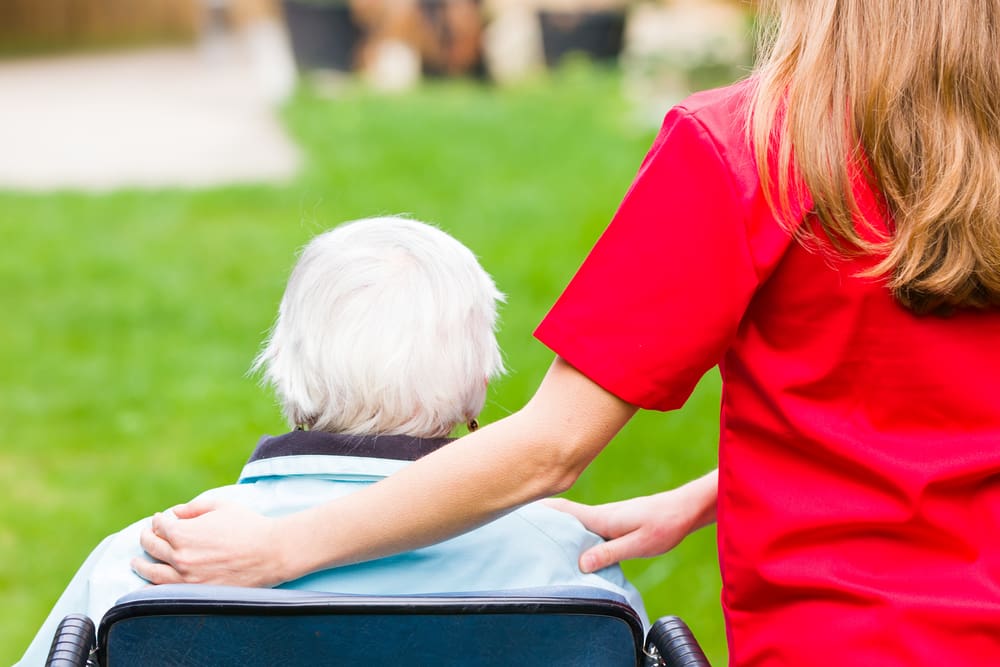
Non-professional carers more likely to suffer distress
Relatives or friends who perform unpaid care duties for elderly loved ones are more likely to become distressed than care professionals, a report released in the JAMA Internal Medicine journal has stated.
Relatives or friends who perform unpaid care duties for elderly loved ones are more likely to become distressed than care professionals, a report released in the JAMA Internal Medicine journal has stated.
The study concluded that non-professional care givers are more likely to face emotional difficulties (34.3% vs. 14.6%), physical difficulties (21.6 % vs. 5.7 %) and financial difficulties (23% vs. 6.7 %).
Those responsible for the co-ordination of healthcare appointments and medication management were found to be most at risk of becoming emotionally stressed, as well as being more likely to provide additional hours of care each week (28.1 hours compared to 8.3 hours for non-medical carers).
Carers with medical responsibility are much more likely to live with the person that they are caring for. Worryingly, the research also found that a lack of support for such carers has led to them becoming three times more likely to suffer concentration lapses at work, becoming less productive, more distracted and fatigued.
The survey included data from over 1,739 unpaid carers, who represented 1,171 older people from the US.
Dr. Jennifer Wolff, of Johns Hopkins Bloomberg School of Public Health, said: “Little attention has been directed at understanding the extent of or consequences for this unpaid and invisible workforce that is vital to care… The more we know about this invisible workforce, the better we will be able to develop strategies that include unpaid caregivers as part of patients’ health care team.”
Fiona Lowry, our CEO, commented: “Care support from friends or relatives can be an invaluable resource when a loved one is in need. However, as this research shows, it is often too demanding to take on alone. Our live-in carers take away the burden of care from friends and relatives, giving peace of mind and preventing incremental stress, as well as ensuring that the loved one receiving care has access to professional, highly trained support in a familiar environment that promotes independence and gives a higher quality of life for longer.”
Discover more
Summer Family Holidays: Who Looks After Mum/Dad?
For many families, the summer holidays are something to look forward to. But if you’re also caring for an ageing parent or loved one, booking a holiday can bring an unexpected feeling of guilt. Questions like “Who will look after...
Read more
Real Family Story: Mum’s Experience of Live-In Care
Choosing the right care for a loved one can be a deeply personal decision. In this heartfelt family testimonial, Carol Kefford, a former nurse, shares her experience of arranging live-in care for her mum with The Good Care Group. Drawing...
Read more
Good Care Month: Meet Eilidh Douglas
As part of Good Care Month, we’re celebrating the incredible people who make exceptional home care possible. This week, we’re introducing Eilidh Douglas, one of our dedicated Care Managers in Scotland. Since joining The Good Care Group in 2021, Eilidh...
Read moreRead why our clients choose us
Awards & accreditations



Talk to us about your care needs
To talk about your care needs, contact one of our friendly advisors.
Calls from landlines are free.