

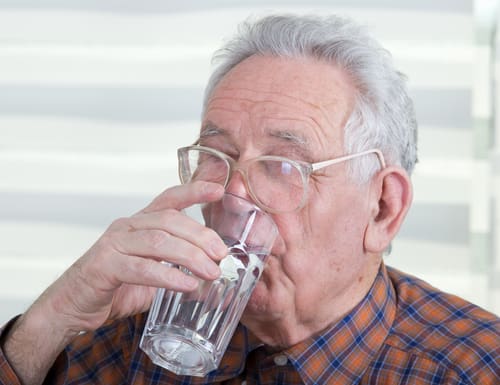
Helping your elderly loved one stay hydrated in spring and summer
Find out why staying sufficiently hydrated is so important for elderly people, and how you can help ensure your loved one is consuming enough fluids.
Spring and summer weather can be both beneficial and challenging for elderly people, especially when it comes to staying hydrated.
Find out why hydration is so important for older people, and what you can do to help ensure your loved one is taking on enough fluids during the warmer months.
Why staying hydrated is so important for older people
Older people are especially susceptible to dehydration. There are a variety of reasons for this, such as:
- Decrease in thirst sensation
- Loss of fluids through incontinence, poor kidney functionality or acute illness
- Impaired physical and/or cognitive abilities
- Side effects of medications
Dehydration can lead to a whole host of secondary conditions, including lethargy, reduced blood pressure, headaches, constipation, UTIs, kidney stones and blood clot complications.
A lack of fluids can prevent medications from working as intended, and even result in hospitalisation.
How to help keep your loved one sufficiently hydrated
To help keep your loved one hydrated, start by working out how much fluid they should be consuming.
As a benchmark for normal conditions, men should consume 3 litres per day, and women should consume 2.2 litres. Warm weather, exercise and diarrhoea/vomiting will mean additional fluids are required.
However, each person has different requirements in terms of hydration. If you use imperial units, jot down your loved one’s weight (e.g. 150lb), divide it by three (50lb) and aim to drink this number in ounces (50oz, or eight six-ounce glasses).
The same basic technique works for metric, too. Divide their weight by three, then divide this figure by 16 to work out how many grams of fluid they should be consuming each day.
It’s also well worth speaking to a doctor, as medications can have a significant effect on the amount your loved one should be drinking.
Ideas to help your loved one stay hydrated
1. Try a range of beverages
Water contains everything you need. But, you might find they’re more receptive to consuming a range of different beverages, including:
- Decaffeinated tea/coffee
- Fruit juice
- Milkshakes
- Smoothies
- Sports drinks
Experiment with drinks that are hot and cold, and use things like soda water to add a fizzy sensation without additional sugar.
2. Use different sources of fluid
It’s not only beverages that contain fluid. If your loved one is reluctant to drink more, try foods with a high concentration of water, such as:
- Fruits and vegetables
- Soups, broths and casseroles
- Low-sugar ice lollies and ice cream
The latter are great for spring and summer as they can also help regulate body temperature.
3. Make fluids easily accessible
Memory and frailty often play a role in dehydration among older people, so it helps to make consuming fluids as easy as possible. Here are some ideas to get you started:
- Place a lightweight jug or bottle of water close to their favourite chair.
- Set up an alarm that goes off at regular intervals to remind them to take a drink.
- Use a water bottle marked with times at which to drink.
Keeping your loved one hydrated can be a 24/7 requirement. Live-in care helps ensure your loved one gets the attention and specialist approach they need to stay sufficiently hydrated.
Find out more about how your loved one can gain additional support this summer with The Good Care Group.
Discover more
Summer Family Holidays: Who Looks After Mum/Dad?
For many families, the summer holidays are something to look forward to. But if you’re also caring for an ageing parent or loved one, booking a holiday can bring an unexpected feeling of guilt. Questions like “Who will look after...
Read more
Real Family Story: Mum’s Experience of Live-In Care
Choosing the right care for a loved one can be a deeply personal decision. In this heartfelt family testimonial, Carol Kefford, a former nurse, shares her experience of arranging live-in care for her mum with The Good Care Group. Drawing...
Read more
Good Care Month: Meet Eilidh Douglas
As part of Good Care Month, we’re celebrating the incredible people who make exceptional home care possible. This week, we’re introducing Eilidh Douglas, one of our dedicated Care Managers in Scotland. Since joining The Good Care Group in 2021, Eilidh...
Read moreRead why our clients choose us
Awards & accreditations



Talk to us about your care needs
To talk about your care needs, contact one of our friendly advisors.
Calls from landlines are free.