
Elderly ‘need to drink more fluid’
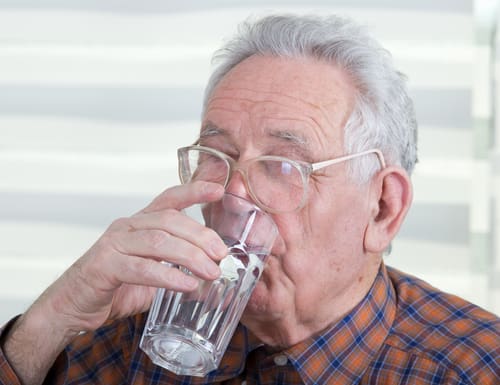
Many older people are not getting enough to drink, according to new figures presented by the Royal Society of Medicine (RSM).
Many older people are not getting enough to drink, according to new figures presented by the Royal Society of Medicine (RSM).
Research has found that one fifth of elderly people living in care homes do not drink enough fluid, and those with dementia or taking medication were even more likely to be dehydrated. The data came from a study of 57 care homes and 239 people living at home, who were also at risk. In addition to people living in care homes, a quarter of older people living in their homes without a carer were not getting enough to drink.
Dehydration is known to increase the risk of heart disease, infection and falls, and has also been found to cause confusion and anxiety. Research has found that the level of anxiety among residents in care homes could be dramatically reduced by ensuring they are getting enough fluid.
This research supports the findings of an analysis of death certificates which found that 1,158 care home residents died of dehydration-related conditions between 2003 and 2012. Dr Lee Hooper, who ran the study, said that dehydration issues in the elderly can be complex: “The reasons older people do not drink enough are that as we age we lose our sense of thirst so they may not be thirsty, [or they] decide not to drink because of continence issues, because they don’t have as much social contact or because of frailty or forgetfulness.”
However, Caroline Abrahams, Charity Director at Age UK, said that with the right levels of care and support, dehydration should be an entirely avoidable condition: “Both hospitals and care homes must get better at picking up on the warning signs of dehydration and at ensuring that while older people are in their care they get all the help they need to eat and drink.”
Fiona Lowry, CEO at The Good Care Group commented: “Dehydration poses a major risk to elderly people. It’s critical that whoever is in a position of caring for an elderly person knows how to encourage and monitor their fluid intake. We train our carers in all aspects of nutrition so that they are able to ensure their clients remain well fed and hydrated.”
Discover more
Summer Family Holidays: Who Looks After Mum/Dad?
For many families, the summer holidays are something to look forward to. But if you’re also caring for an ageing parent or loved one, booking a holiday can bring an unexpected feeling of guilt. Questions like “Who will look after...
Read more
Real Family Story: Mum’s Experience of Live-In Care
Choosing the right care for a loved one can be a deeply personal decision. In this heartfelt family testimonial, Carol Kefford, a former nurse, shares her experience of arranging live-in care for her mum with The Good Care Group. Drawing...
Read more
Good Care Month: Meet Eilidh Douglas
As part of Good Care Month, we’re celebrating the incredible people who make exceptional home care possible. This week, we’re introducing Eilidh Douglas, one of our dedicated Care Managers in Scotland. Since joining The Good Care Group in 2021, Eilidh...
Read moreRead why our clients choose us
Awards & accreditations



Talk to us about your care needs
To talk about your care needs, contact one of our friendly advisors.
Calls from landlines are free.