

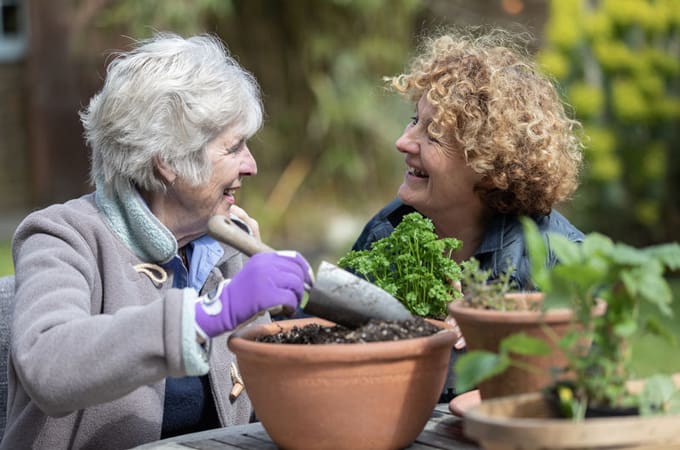
5 ways to keep your heart healthy as you age
According to the British Heart Foundation, four in five people have hearts older than their actual age.
As we age, looking after our body becomes more important, and protecting our heart health is top of that list. After all, our heart supports everything we do – from regulating blood pressure and maintaining body temperature to ensuring proper organ function throughout the entire body. The good news is that there are plenty of lifestyle changes we can make to keep our hearts healthy as we age.
From staying as active as you can, to prioritising sleep, here are 5 meaningful ways you can protect your heart as you age.
1. Stay active
It’s natural for our physical activity to decline as we age. Whether it’s due to illness, injury, or mobility challenges, getting out and about can be difficult. However, by finding activities that work for you and your body – like walking or even stretching – you can reduce your risk of heart disease and stroke.
According to the NHS, adults over the age of 65 should aim to:
- Do some physical activity every day, even if it’s just light activity
- Incorporate activities that improve strength, balance, and flexibility on at least two days a week
- Complete at least 150 minutes of moderate intensity activity a week or 75 minutes of vigorous intensity activity if you are already active, or a combination of both
- Reduce time spent sitting or lying down, and break up long periods of not moving with some activity
You can find more advice for safe exercise in the NHS guidelines for staying active as you age.
2. Eat a balanced diet
Eating a healthy, balanced diet is one of the best ways to stay well in later life. According to the World Health Organization, healthy diets help to protect us against malnutrition in all its forms, as well as non-communicable diseases (NCDs), including diabetes, heart disease, stroke and cancer.
In order to stick to a healthy diet, it’s important not to focus on cutting out food groups entirely, and instead look at finding the right balance. There are foods we should all eat more of, like fruit and vegetables, and others we should eat less of – like saturated fats, sugar, and salt.
To learn more about eating a heart healthy diet, you can read our tips, and explore guidance from the British Heart Foundation’s healthy eating page.
3. Check in with healthcare professionals
According to the Heart Research Institute UK, if you are 45 or over, you should get your blood pressure checked annually as part of a regular Heart Health Check.
To stay on top of your heart health, the most important tip is to check in with healthcare professionals. Together, you can monitor your blood pressure, cholesterol, and blood sugar levels, and come up with a healthcare plan that’s tailored to your specific heart health goals.
It’s always good to research for ourselves, but having measurable data on our personal health – and gaining expert advice – can equip us with the knowledge needed to make more informed choices every day.
4. Prioritise quality sleep
We’ve known for a long time that our sleep has a profound effect on our overall health and well-being. But researchers have found that getting quality sleep – around six to eight hours per night – is also linked to a reduced risk of coronary heart disease.
Here are a few ways you can prioritise quality sleep:
- Establish a bedtime routine
- Don’t force yourself to sleep
- Find ways to relax
- Try filling in a sleep diary
- Make your sleeping area more comfortable
- Reduce screen time before bed
Prioritising sleep looks different for everyone, and finding things that work for you can take some trial and error. The key here is to become more aware of your sleep habits, and make changes where you can.
You can find more tips on improving your sleep on the Mind website.
5. Stay social
The World Health Organization has shown that social connection can protect our health throughout our entire lives – reducing inflammation, lowering the risk of serious health problems, improving mental health, and even preventing early death.
To combat loneliness as you age, it’s important to reach out to family members and friends, get involved with your community, and take part in shared social activities.
If you have mobility challenges that make it more difficult to access your community, or find it hard to stay social, home care can provide much-needed support and companionship. By helping with basic household tasks, offering a chat over a cup of tea, and even getting you out and about, a high-quality companionship carer can make a big difference to well-being as you age.
Explore more about our companionship care.
Better heart health starts today
It’s normal to be more aware of our health as we age, and to become more worried for our heart health. But with the right support, and a few changes to our lifestyle, we can maintain strong heart health well into later life.
If you’d like to learn more about heart health, and how you can get involved this Heart Month, take a look at the British Heart Foundation website. It’s packed with useful information and advice to help you better understand your body and make healthy changes.

Content reviewed by Sabah Shah
Tue 24 Feb 2026Sabah Shah, is the Clinical Lead for the Good Care Group. Sabah joined The Good Care Group four months ago and bring over nine years of experience in health and social care. Her career in healthcare started with a simple goal: to make a meaningful difference in people’s lives.
View full profileDiscover more
Summer Family Holidays: Who Looks After Mum/Dad?
For many families, the summer holidays are something to look forward to. But if you’re also caring for an ageing parent or loved one, booking a holiday can bring an unexpected feeling of guilt. Questions like “Who will look after...
Read more
Real Family Story: Mum’s Experience of Live-In Care
Choosing the right care for a loved one can be a deeply personal decision. In this heartfelt family testimonial, Carol Kefford, a former nurse, shares her experience of arranging live-in care for her mum with The Good Care Group. Drawing...
Read more
Carers Week 2026: Hear from one of our carers
To celebrate Carers Week, we sat down with Professional Carer, Sarah, who has been with The Good Care Group since 2019. Over the past six years, Sarah has supported clients and families through some of life’s most important moments. In...
Read moreRead why our clients choose us
Awards & accreditations



Talk to us about your care needs
To talk about your care needs, contact one of our friendly advisors.
Calls from landlines are free.