
Carers Week 2026: Hear from one of our carers
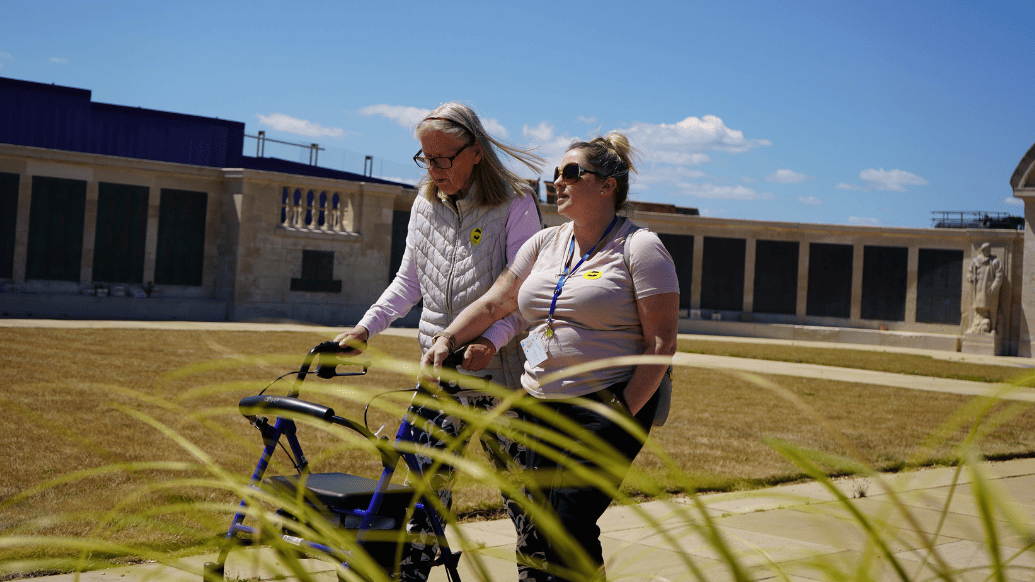
To celebrate Carers Week, we sat down with Professional Carer, Sarah, who has been with The Good Care Group since 2019. Over the past six years, Sarah has supported clients and families through some of life’s most important moments. In this interview, she shares her career journey, the rewards and challenges of caring, and why she is passionate about helping people live independently in the comfort of their own homes.
“Hello, my name is Sarah. I work as a carer and am currently qualified to Level 3 NVQ in Health and Social Care. My role is to support people with their daily lives, helping them to remain as independent, comfortable, and happy as possible.
As a carer, I assist with personal care, mobility, meal preparation, medication support, companionship, and promoting wellbeing. I believe that building trusting relationships and treating people with dignity, respect, and kindness is at the heart of good care.”
How long have you been a carer for?
“I’ve been working in care for about 20 years. I’ve been doing live-in care for nearly 8 and it’s the best job I’ve ever had! I enjoy helping others, making a positive difference in their lives, and ensuring that the people I support feel valued, listened to, and safe. Every day is different, and I find it rewarding to help individuals achieve the best quality of life possible.”
What inspired you to become a carer?
“I was inspired to become a carer because I have always enjoyed helping others and making a positive difference in people’s lives. I find it rewarding to support individuals who need assistance and to help them maintain their independence, dignity, and quality of life.
Seeing the impact that kindness, patience, and good care can have on someone’s wellbeing motivated me to pursue a career in care. I enjoy building meaningful relationships with the people I support and being someone they can trust and rely on.
For me, caring is more than just a job,it’s an opportunity to improve someone’s day, provide comfort when needed, and help people live as fully and independently as possible.”
What do you enjoy most about your role?
“What I enjoy most about being a carer is knowing that I can make a positive difference in someone’s life every day. I enjoy building strong relationships with the people I support and helping them feel safe, comfortable, and valued.
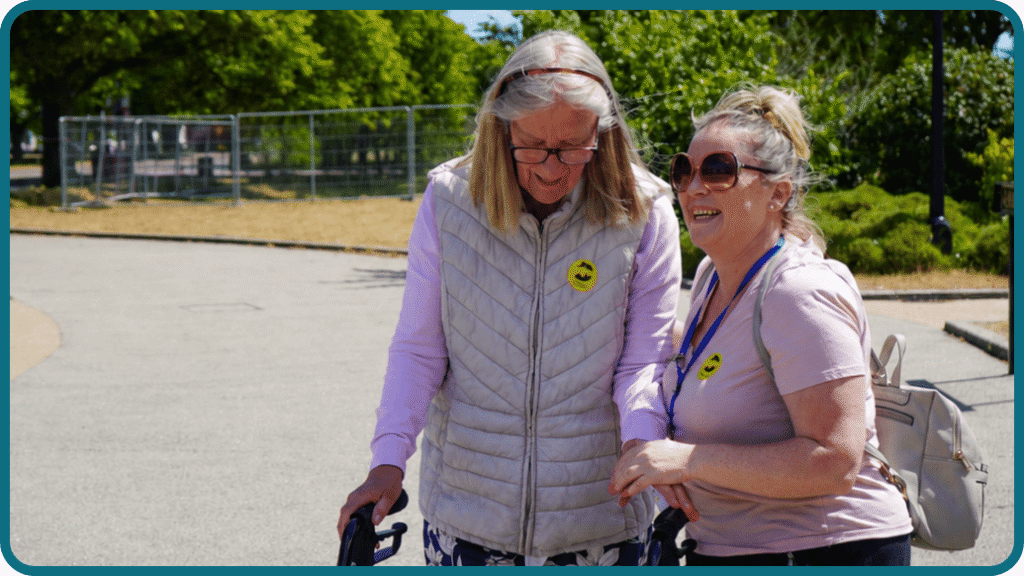
I find it rewarding to see someone achieve something they may have struggled with, whether that’s maintaining their independence, getting out into the community, or simply having a good day. I also enjoy the variety that comes with caring, as every person is different and each day brings new experiences.
Most importantly, I enjoy being there for people, offering support, companionship, and encouragement, and helping them live the best life possible.”
What’s the most rewarding thing about your role?
“The most rewarding part of my role is seeing the positive impact that good care can have on someone’s wellbeing and quality of life. I enjoy helping people maintain their independence, achieve their goals, and feel supported in their daily lives.
It is especially rewarding when someone feels happier, more confident, or more comfortable because of the support I have provided. Building trusting relationships with the people I support and their families is also very important to me.
Knowing that I have helped make someone’s day a little easier or brighter gives me a great sense of satisfaction and reminds me why I chose a career in care.”
What qualities do you think make a good carer?
“I believe a great carer needs to be kind, compassionate, patient, and respectful. It is important to treat every person as an individual, listen to their needs, and support them with dignity and understanding.
Empathy is one of the most important qualities, as it allows carers to understand how someone may be feeling and provide the right support. A great carer should also be observant and attentive, noticing any changes in a person’s health or wellbeing and responding appropriately.”
What advice would you give to someone wanting to become a carer?
“My advice to anyone wanting to become a carer is to be patient, compassionate, and willing to listen. Every person you support is different, so it’s important to treat people with dignity, respect, and as individuals.
Caring can be challenging at times, so being adaptable and staying calm under pressure are valuable qualities. Don’t be afraid to ask questions, learn from experienced colleagues, and continue developing your skills and confidence.
Most importantly, remember that small acts of kindness can make a big difference to someone’s wellbeing. If you genuinely enjoy helping others and making a positive impact in people’s lives, caring can be an incredibly rewarding career.”
If you could tell the public one thing about being a carer, what would it be?
“I think it is important to recognise and celebrate carers because they play a vital role in supporting people to live safely, comfortably, and with dignity. I often go above and beyond to meet the needs of the people they support, providing not only practical assistance but also companionship, reassurance, and emotional support.
Recognising carers helps acknowledge the dedication, compassion, and hard work they put into their role every day. It also highlights the positive difference carers make to individuals, families, and communities.
Celebrating carers can boost morale, show appreciation for their efforts, and encourage others to value the important work that carers do. Everyone deserves to feel appreciated, and recognising carers is a way of saying thank you for the care, kindness, and commitment they provide.”
What are you most proud of in your caring career?
“I am most proud of the positive difference I have made in the lives of the people I support. Building trusting relationships, helping individuals maintain their independence, and seeing them enjoy a better quality of life gives me a great sense of achievement. I am also proud of my professional development, including achieving my Level 3 NVQ in Health and Social Care, which has helped me provide the best possible support to those in my care.
One of the things that makes me particularly proud is helping the people I support and ensuring their needs are recognised. For example, helping to introduce equipment that improves a person’s mobility and wellbeing, or working with healthcare professionals to ensure they receive the right support and care.
Knowing that I have helped people feel valued, respected, and cared for is what I am most proud of, and it is what motivates me to continue growing in my caring career.”
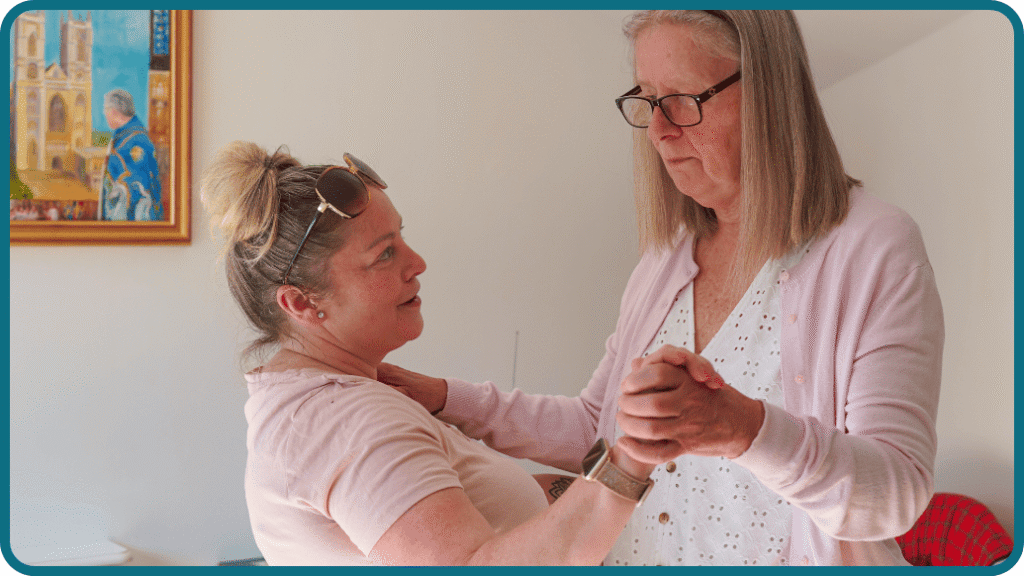
If you are interested in joining The Good Care Group, as a carer or part of the head office team, you can start an application by following this link.
Discover more
Summer Family Holidays: Who Looks After Mum/Dad?
For many families, the summer holidays are something to look forward to. But if you’re also caring for an ageing parent or loved one, booking a holiday can bring an unexpected feeling of guilt. Questions like “Who will look after...
Read more
Real Family Story: Mum’s Experience of Live-In Care
Choosing the right care for a loved one can be a deeply personal decision. In this heartfelt family testimonial, Carol Kefford, a former nurse, shares her experience of arranging live-in care for her mum with The Good Care Group. Drawing...
Read more
Dementia Action Week 2026: Why Compassionate Support Matters More Than Ever
Dementia Action Week is an important reminder that behind every diagnosis is a person, a family, a history, and a life that still deserves to be lived fully and meaningfully. At The Good Care Group, we know that when dementia...
Read moreRead why our clients choose us
Awards & accreditations



Talk to us about your care needs
To talk about your care needs, contact one of our friendly advisors.
Calls from landlines are free.