
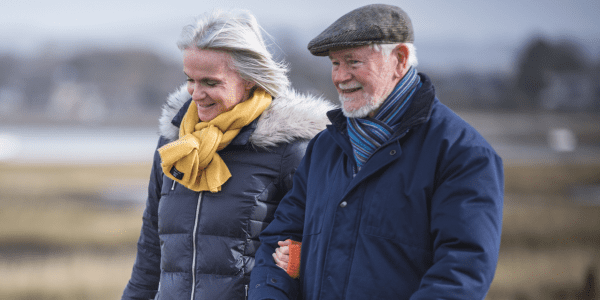

What steps can be taken towards a cure for dementia?
Dementia affects 850,000 people in the UK (Alzheimer’s Society), and global rates of the condition are doubling every 20 years among the 80+ age group (The Guardian).
Dementia affects 850,000 people in the UK (Alzheimer’s Society), and global rates of the condition are doubling every 20 years among the 80+ age group (The Guardian).
The condition can be difficult for both patients and their loved ones, Dementia affects people’s memory, cognitive functions and ability to carry out everyday tasks.
Research bodies across the world are making great strides towards medicines that could alleviate dementia symptoms. A cure is now on the distant horizon (potentially within just five years, according to the outgoing chairman of the World Dementia Council).
But what are the next steps towards finding a cure for dementia?
How would the current system need to change?
Until recently, national health bodies and pharmaceutical companies have tended to work in isolation while attempting to develop new methods of investigating and treating dementia.
Future developments would rely on these disparate research centres joining together by using big data and Cloud-based computing to collate huge amounts of information on dementia patients, genetic sequencing and potentially beneficial medical compounds.
While scientists are some way off implementing this method, the same technique could also be used to investigate a whole host of other degenerative conditions.
What action is currently being taken towards a cure for dementia?
Global Dementia Observatory
Back in 2015, the World Health Organisation (WHO) announced the formation of the Global Dementia Observatory (GDO). The UK, Switzerland and Japan have all contributed to funding this initiative, which is scheduled for launch by the end of 2016.
The GDO is intended to act as a knowledge hub that governments can use to guide research and policy relating to potential medical developments and condition management.
Collaborative studies
Scientists from Cardiff University are leading a new £6m project that is set to become the largest international collaborative study of Alzheimer’s Disease (the most common form of dementia) to date.
The study involves a global sample size of over 1m people, and looks at the shared genetic traits and lifestyle choices of people with dementia. It’s hoped that this study will provide new insights into the causes of dementia – information that can then be used in the development of preventative measures or a cure.
What can I do to support a person with dementia today?
There’s plenty you can do today that could make a real difference to the life of a person with dementia, including:
- Cognitive functions: Memory exercises – or, even just reminiscing with your loved one – can help to strengthen their mental faculties and delay the onset of the symptoms of dementia for longer.
- Social engagement: Dementia can isolate people from their support network, leading to loneliness (and potentially even depression) that can cause the condition to worsen. Make a special effort to be present, listen to their concerns and try to enhance their sense of self-esteem.
- Help in the home: The home can become more hazardous and confusing for people with dementia. Help them establish a safe space and organise things (like medication, keys and utility controls) with labels and notes as a memory aid.
Caring for a person with dementia long-term can be physically and emotionally draining if the right provisions aren’t in place. The Good Care Group can help your loved one maintain independence and dignity in their own home, support them in their everyday activities and provide companionship on a 24/7 basis.
Discover more

Specialist Mental Health Support Launched in Scotland
At The Good Care Group, we’re pleased to announce the launch of our new specialist mental health support service in Scotland. This new service provides personalised, one-to-one support for adults of all ages, including those living with complex mental health...
Read more
Celebrating International Women’s Day with Nichola Proctor
March 8 marks International Women’s Day, a global celebration of the social, economic, cultural and political achievements of women. It is also an important moment to recognise the progress that has been made toward gender equality, while continuing to advocate...
Read more
The Good Care Group Named HealthInvestor Awards Finalist
We’re proud to share that The Good Care Group has been named a finalist in the Home Care Provider of the Year category at this year’s HealthInvestor Awards. The HealthInvestor Awards celebrate excellence, innovation, and outstanding achievements across the health...
Read moreRead why our clients choose us
Awards & accreditations



Talk to us about your care needs
To talk about your care needs, contact one of our friendly advisors.
Calls from landlines are free.