

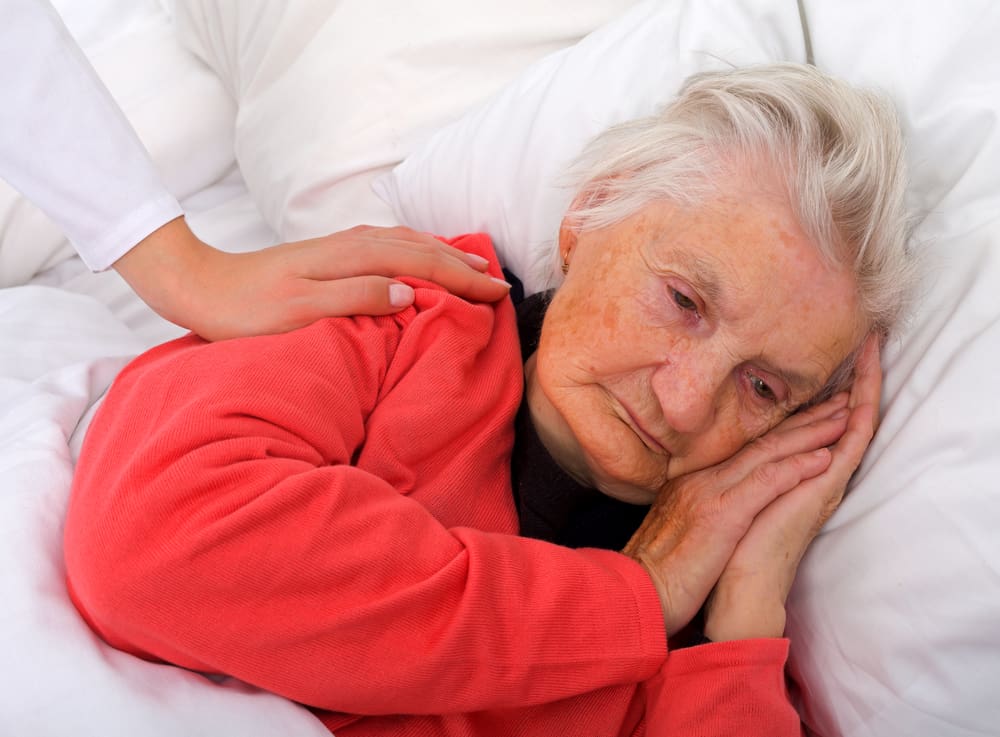
One in ten care home beds could be lost
Nearly 10% of Britain’s care home places will become unavailable within five years as a result of a massive financial shortfall, according to a new report from think tank ResPublica.
Nearly 10% of Britain’s care home places will become unavailable within five years as a result of a massive financial shortfall, according to a new report from think tank ResPublica.
The total is equivalent to 37,000 beds (or 1,500 care homes), with elderly residents being warned that they could face extended hospital stays as a result. This will place a severe additional strain on an already stretched NHS, who have been pushing for more care at home.
Leading care home operators have warned that care homes will close unless additional funding is allocated in the Chancellor’s Autumn statement. Local authorities, under pressure to make savings, have reduced the amount of fees contributed to residents’ care packages, whilst the implementation of the ‘national living wage’ in April may have a disproportionate effect on the sector as many care home staff wages are required to increase.
The figures also raise concerns for the quality of care that care home residents will receive. Guy Hands, chairman of private equity group Terra Firma, commented: “More elderly people who could enjoy their last years of life in comfortable and caring surroundings will instead be forced into hospital, which is distressing for them and expensive for the taxpayer. We are also going to see, as is already happening, a growing divide in quality between those homes providing private care… and those largely caring for residents financed by local authorities.”
Fiona Lowry, our CEO, commented: “This concerning new report underlines the national gap between care funding and care needs. The most important concern is the quality of care given: at The Good Care Group, we know from our own research that a positive alternative to care homes is live-in care at home, which enables better health outcomes and longer independence. Our highly-trained carers deliver personalised care within loved ones’ own homes, extending greater comfort and dignity.”
Discover more

Summer Family Holidays: Who Looks After Mum/Dad?
For many families, the summer holidays are something to look forward to. But if you’re also caring for an ageing parent or loved one, booking a holiday can bring an unexpected feeling of guilt. Questions like “Who will look after...
Read more
Real Family Story: Mum’s Experience of Live-In Care
Choosing the right care for a loved one can be a deeply personal decision. In this heartfelt family testimonial, Carol Kefford, a former nurse, shares her experience of arranging live-in care for her mum with The Good Care Group. Drawing...
Read more
Good Care Month: Meet Eilidh Douglas
As part of Good Care Month, we’re celebrating the incredible people who make exceptional home care possible. This week, we’re introducing Eilidh Douglas, one of our dedicated Care Managers in Scotland. Since joining The Good Care Group in 2021, Eilidh...
Read moreRead why our clients choose us
Awards & accreditations



Talk to us about your care needs
To talk about your care needs, contact one of our friendly advisors.
Calls from landlines are free.