


Look out for the subtle signs of dementia
The NHS has recently urged people across the UK to be mindful of subtle warning signs of dementia in loved ones – especially during family gatherings over the festive season. Early awareness and prompt action can make a meaningful difference in securing the right support and care.
In the Mirror article linked below, Dr Jane Pritchard, Admiral Nurse at The Good Care Group, shared practical examples of changes in behaviour that could signal the early stages of dementia.
“If you start to see the electric kettle being placed on the stove, tin foil or metallic dishes in the microwave or plastic being placed into the oven, these are more dangerous signs that an early assessment is needed,” Dr Pritchard explains. She emphasises that occasional forgetfulness or misplacing items is normal – but repeated, unusual behaviours that disrupt daily routines warrant further attention.
Examples she highlights include:
-
Finding everyday objects (like a TV remote) in unusual places
-
Putting food in strange locations
-
Disorganised cupboard contents or mixing up items that usually have a clear home
Recognising these signals doesn’t mean jumping to conclusions, but it does mean it’s time to involve a GP or health professional for an assessment. Early detection helps people get the support and treatment they need sooner, which can improve quality of life and planning for the future.
Discover more
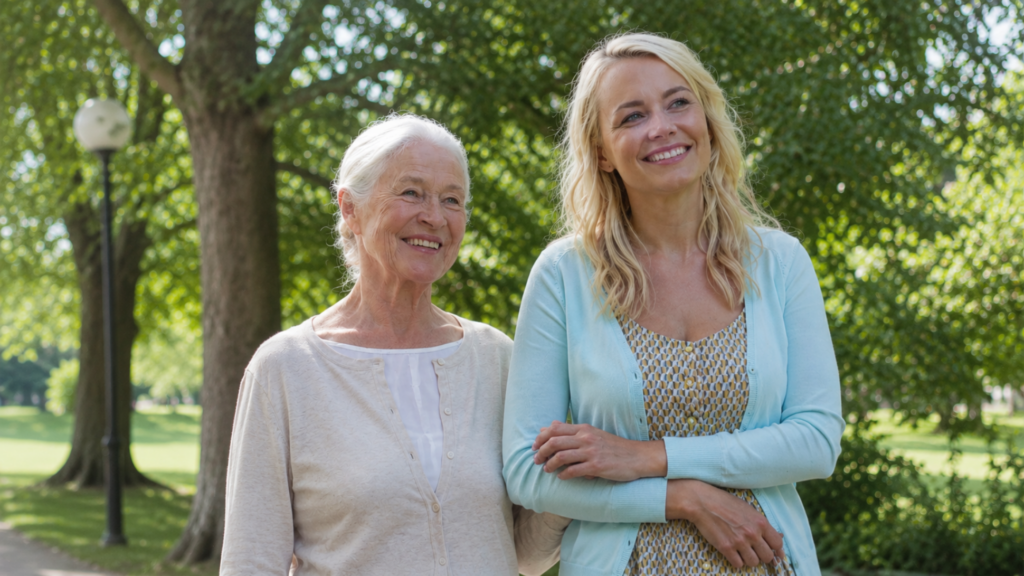
Summer Family Holidays: Who Looks After Mum/Dad?
For many families, the summer holidays are something to look forward to. But if you’re also caring for an ageing parent or loved one, booking a holiday can bring an unexpected feeling of guilt. Questions like “Who will look after...
Read more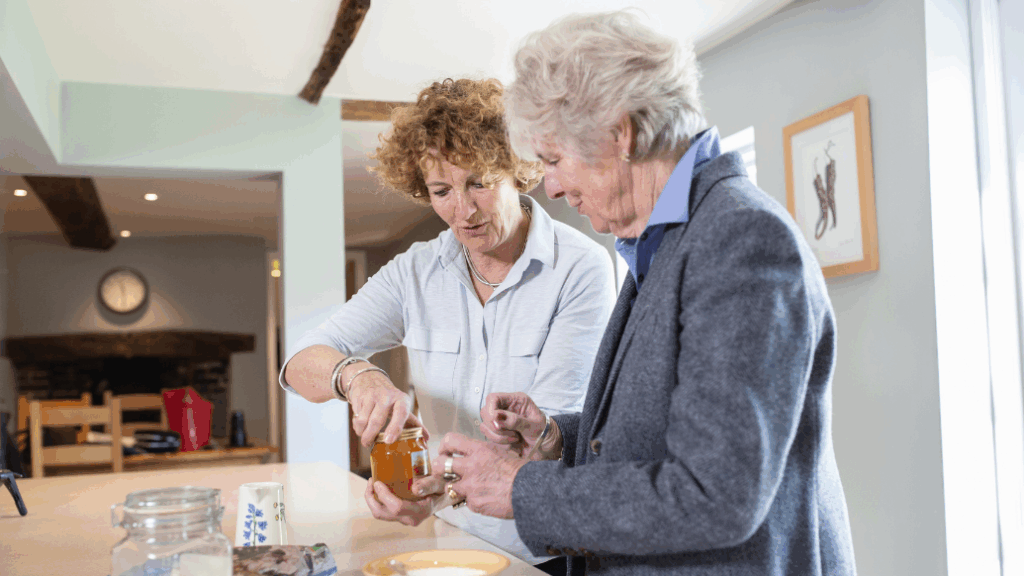
Real Family Story: Mum’s Experience of Live-In Care
Choosing the right care for a loved one can be a deeply personal decision. In this heartfelt family testimonial, Carol Kefford, a former nurse, shares her experience of arranging live-in care for her mum with The Good Care Group. Drawing...
Read more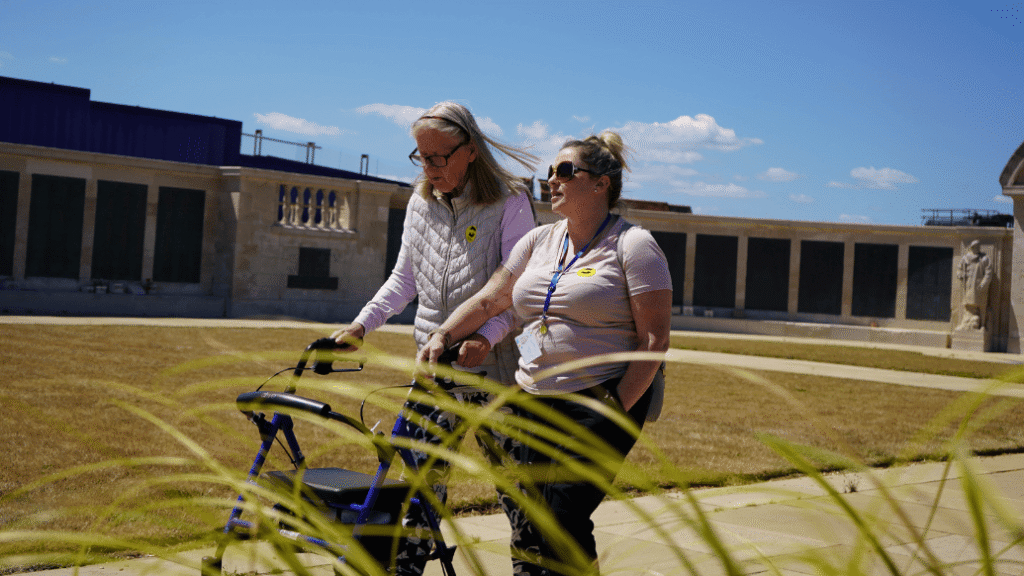
Carers Week 2026: Hear from one of our carers
To celebrate Carers Week, we sat down with Professional Carer, Sarah, who has been with The Good Care Group since 2019. Over the past six years, Sarah has supported clients and families through some of life’s most important moments. In...
Read moreRead why our clients choose us
Awards & accreditations



Talk to us about your care needs
To talk about your care needs, contact one of our friendly advisors.
Calls from landlines are free.