


Supporting clients who experience sundowning
Our resident dementia expert Dr Jane Pritchard, explains what is meant by ‘sundowning’ in dementia and helpful tips on reducing discomfort and distress.
‘Sundowning’ is the name given to when people with dementia become more confused, anxious or distressed during the late afternoon and evening (i.e. as the sun goes down). This is thought to be due to altered circadian rhythm, tiredness, misperceptions, and increased disorientation at this time. The following steps may be helpful to reduce distress at this time of day:
- During the day encourage the client to go outside, or to sit by the window as exposure to bright light helps to reset the body clock
- Try to achieve some degree of physical activity or exercise each day
- Ensure that the person gets daytime rest if needed, but keep naps short and not too late in the day
- Make sure that the person is getting enough rest at night. They may need more sleep at night than they used to, so let clients sleep a little longer in the mornings to see whether this helps
- Avoid caffeine late in the day/evenings, and also alcoholic drinks
- Avoid doing too many activities during the day as this may make the person more tired in the evenings
- Provide reassurance to the person that they are safe, and that you will be there for them as much as they need you
- Try and find the triggers for any physical aggression, complete ABC charts to help with this
- Ask the client if possible if there is anything making them anxious/fearful. If there is then they can be better reassured about any specific things they are worrying about
- Check the person is not in pain, as pain can worsen sundowning
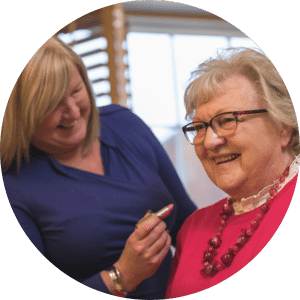
- Do a calming activity in the evenings with the client such as hand/foot massage, nail painting, and sitting together. Some clients like to sit and hold hands at this time

- Provide a comfort blanket or dementia dog/cat to stroke
- Try relaxing music, and always use a calming tone of voice
- Distract, and describe what would be fun to do together (e.g. watch TV, have some milky drinks and snacks, look through old photographs, or have a girly night in)
- Use shorter sentences during sundowning, similar to how you would with someone with more advanced dementia as their concentration may be poorer at this time and they may struggle to take in what you are saying
- Give the person a purpose before dinner such as helping to set the table
- Softer lighting in the evenings if possible, but not so soft that it creates shadows
- Shut curtains early just before the sun goes down to avoid reflections etc that may upset the person
- Both get into pj’s/nightwear to orientate to time of day
Discover more

Subtle signs of hearing loss to look out for at home
Today, on World Hearing Day (3rd March), we at The Good Care Group are encouraging families to look out for the subtle signs around the home that could point to hearing loss in older loved ones. Sometimes the earliest clues...
Read more
5 ways to keep your heart healthy as you age
According to the British Heart Foundation, four in five people have hearts older than their actual age. As we age, looking after our body becomes more important, and protecting our heart health is top of that list. After all, our...
Read more
Spotting the quiet signs of heart disease at home
With February marking National Heart Month, we’ve had some recent news coverage across the UK highlighting a simple but important early warning sign of heart disease: the marks left behind by socks. Heart disease remains one of the UK’s biggest...
Read moreRead why our clients choose us
Awards & accreditations



Talk to us about your care needs
To talk about your care needs, contact one of our friendly advisors.
Calls from landlines are free.